A Trading Plan That Fits on One Page Beats One That Does Not
Traders with written plans outperform by 30-40%, but most plans are too long to use under pressure. A one-page checklist beats a detailed manual when your position is underwater.


Traders with written plans outperform by 30-40%, but most plans are too long to use under pressure. A one-page checklist beats a detailed manual when your position is underwater.

A stop loss you’re willing to move is not a stop loss—it’s a hope-based decision that destroys the mathematical and psychological foundation of disciplined trading.

Boredom quietly drains trading accounts faster than fear ever could. While panic-selling creates memorable losses, boredom trades accumulate invisibly, eroding edge through repeated low-conviction entries that feel reasonable in the moment.

Your brain rewrites every trade you recall, editing details to fit a preferred narrative. Memory reconsolidation means you’re not reviewing the past—you’re reconstructing it, and the reconstruction is unreliable.
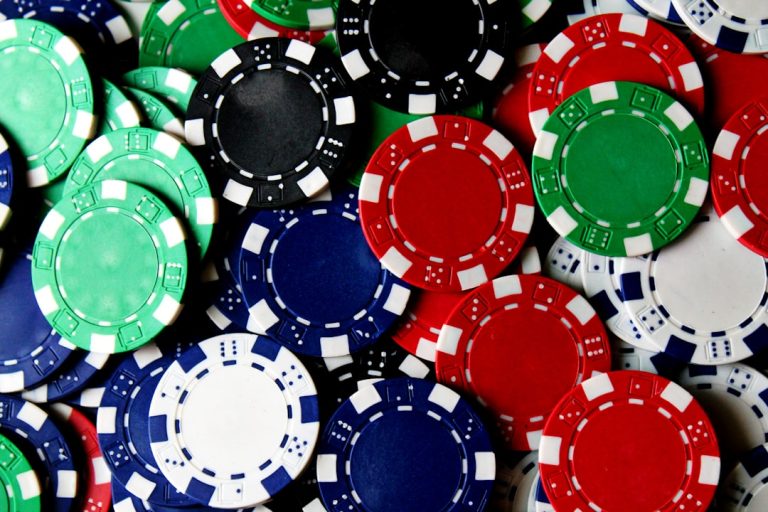
Poker players lose with aces and rebuy. Traders take a stop loss and question everything. The difference isn’t temperament—it’s learned frameworks about variance, process, and decision-making that most traders never develop.

Traders who check positions more than ten times daily underperform those who check two or three times by 23%. Constant monitoring doesn’t improve outcomes—it actively degrades them through neurological damage and behavioral distortion.
Winning streaks trigger dopamine cycles and cognitive biases that sabotage judgment. The moment you feel most confident is often when you’re most vulnerable to catastrophic loss.
You called the Bitcoin rally three weeks early, watched your position bleed 18%, got stopped out, then watched the market prove you right—without you in it.
Redrawing trendlines after a losing trade feels productive, but it’s curve-fitting dressed as analysis. Real edge comes from accepting uncertainty and managing risk mathematically, not perfecting lines on yesterday’s chart.
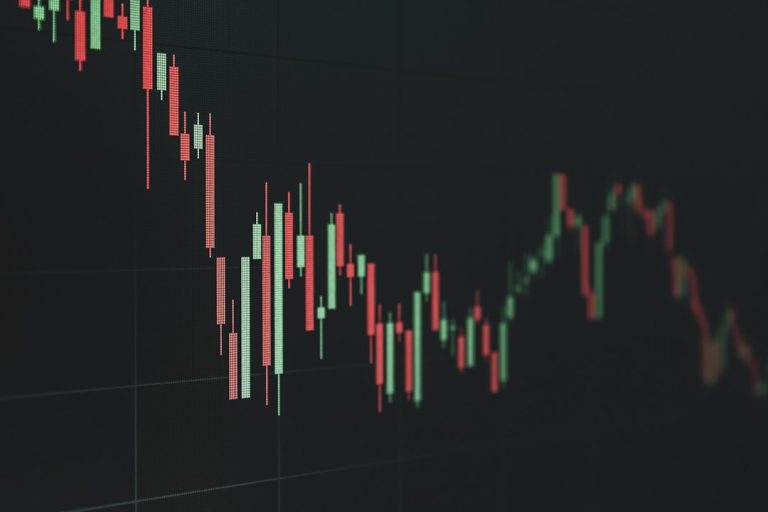
Revenge trading leaves a distinctive visual signature in your equity curve, trade log, and position sizing. Learn to recognize the cliff-dive pattern before it destroys your account.
Losses hurt roughly 2.25 times more than equivalent gains feel good. This isn’t weakness—it’s measurable neuroscience. Learn how loss aversion distorts trading decisions and what systems can counteract it.

That one trade you can’t stop replaying isn’t random mental noise. It’s a signal revealing position sizing errors, rule violations, or unresolved cognitive patterns your rational mind hasn’t acknowledged yet.