Revenge Trading Has a Shape, and You Can Learn to See It
Revenge trading leaves a distinctive visual signature in your equity curve, trade log, and position sizing. Learn to recognize the cliff-dive pattern before it destroys your account.

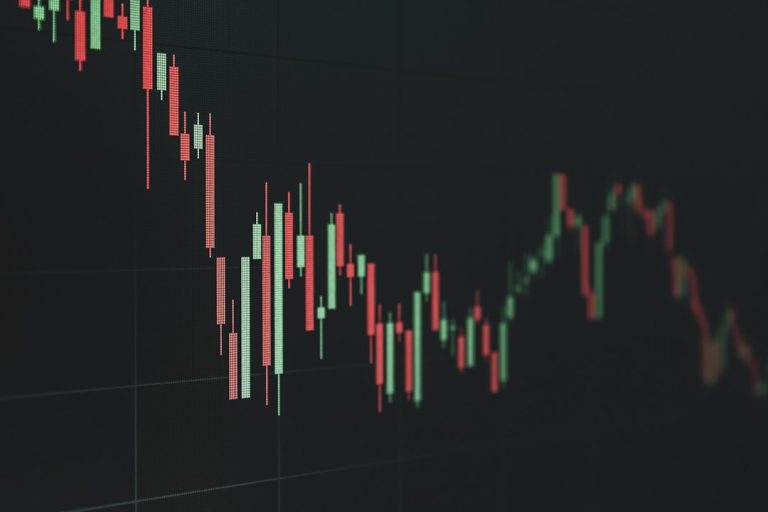
Revenge trading leaves a distinctive visual signature in your equity curve, trade log, and position sizing. Learn to recognize the cliff-dive pattern before it destroys your account.
Losses hurt roughly 2.25 times more than equivalent gains feel good. This isn’t weakness—it’s measurable neuroscience. Learn how loss aversion distorts trading decisions and what systems can counteract it.

That one trade you can’t stop replaying isn’t random mental noise. It’s a signal revealing position sizing errors, rule violations, or unresolved cognitive patterns your rational mind hasn’t acknowledged yet.
Your forex or crypto position doesn’t sleep when you do. It remains live and exposed to global markets operating in shifts you’ll never match—a mechanical reality skilled traders account for through sizing and planning.

USDC fell to $0.87 in March 2023 despite full reserves and regular audits. The word “stable” hides four fundamentally different mechanisms, each with its own failure mode.
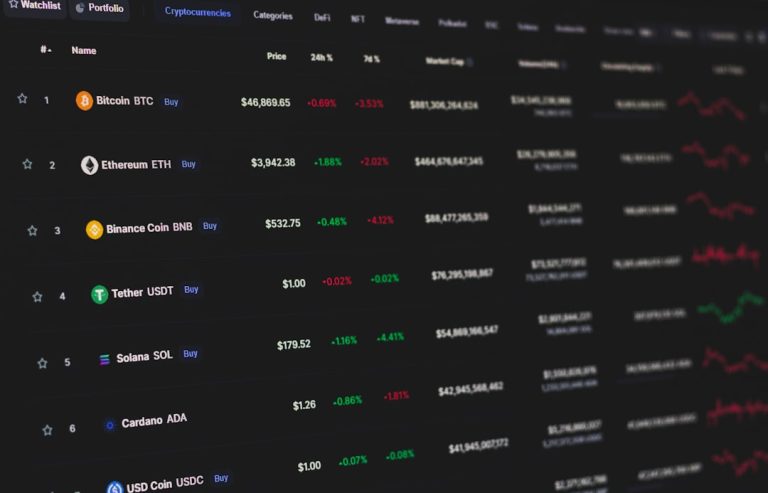
Crypto’s 24/7 nature feels like freedom but functions as a trap. The cost isn’t just missed sleep—it’s the cumulative degradation of judgment, wider spreads, and the slow erosion of your edge.
The spread is a price charged every time you trade, and it’s deducted before the market moves. Understanding who collects it and how it erodes edge transforms it from invisible friction into a cost you can manage.

Leverage multiplies position size, not skill. A 1% adverse move can wipe out a 100:1 leveraged account, while the unleveraged trader survives to trade another day.
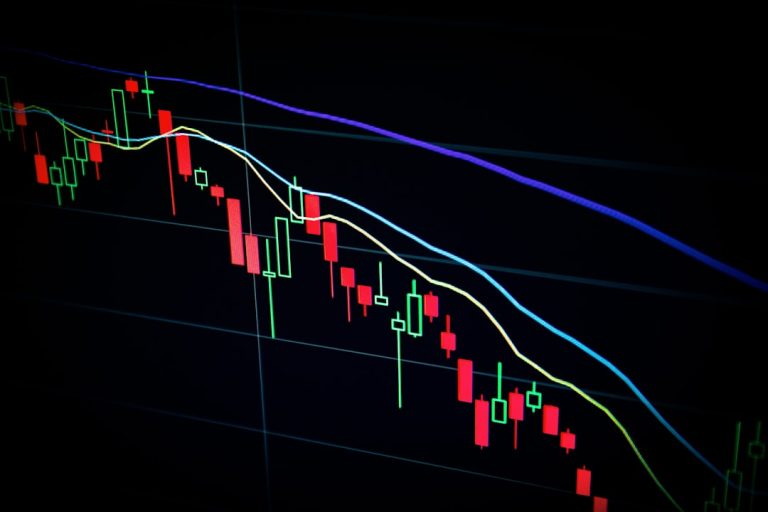
Most traders obsess over entry signals but treat order execution as a formality. In reality, order type selection determines whether your edge survives contact with the market.
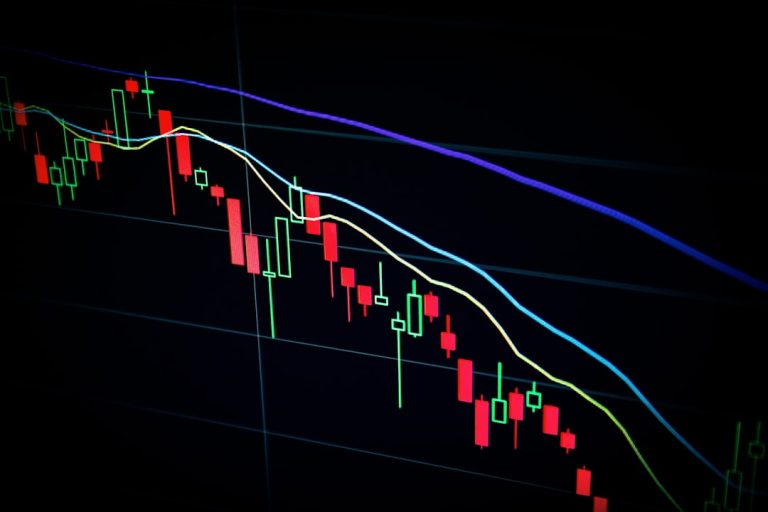
Pips are the fundamental unit of forex movement, turning abstract price changes into calculable risk. Understanding this tiny increment is the foundation of disciplined position sizing and long-term trading survival.