Stablecoins Are Not All Stable in the Same Way
USDC fell to $0.87 in March 2023 despite full reserves and regular audits. The word “stable” hides four fundamentally different mechanisms, each with its own failure mode.


USDC fell to $0.87 in March 2023 despite full reserves and regular audits. The word “stable” hides four fundamentally different mechanisms, each with its own failure mode.
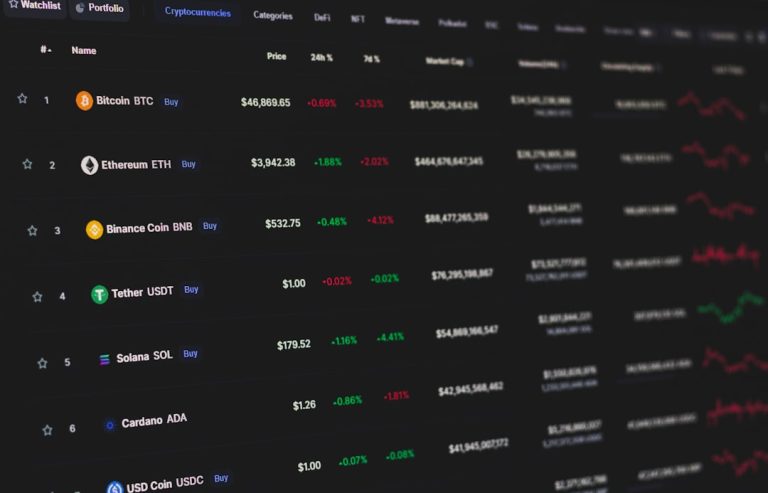
Crypto’s 24/7 nature feels like freedom but functions as a trap. The cost isn’t just missed sleep—it’s the cumulative degradation of judgment, wider spreads, and the slow erosion of your edge.
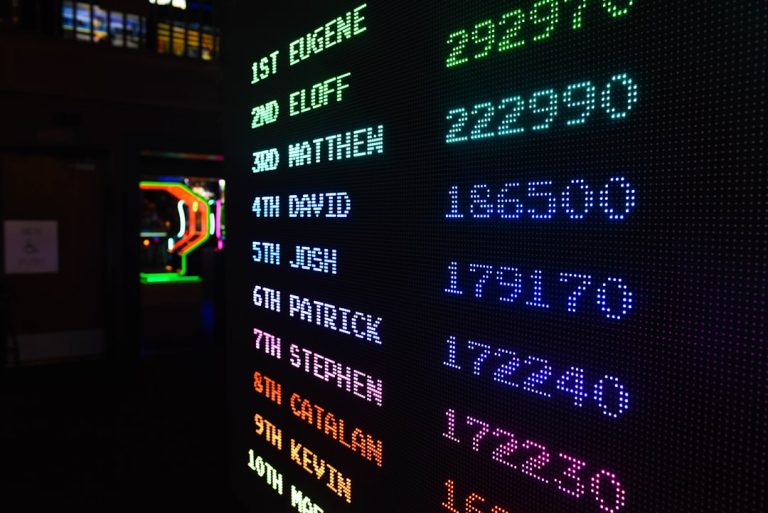
The spread is a price charged every time you trade, and it’s deducted before the market moves. Understanding who collects it and how it erodes edge transforms it from invisible friction into a cost you can manage.
You click buy, the order fills instantly, and you assume it went to the market. Most traders never ask where that order actually went or whose incentives governed how it was handled.
Eighty-eight percent of forex transactions involve the dollar. That’s not preference or accident—it’s structural architecture built at Bretton Woods and reinforced by network effects that make changing the system more costly than living with it.
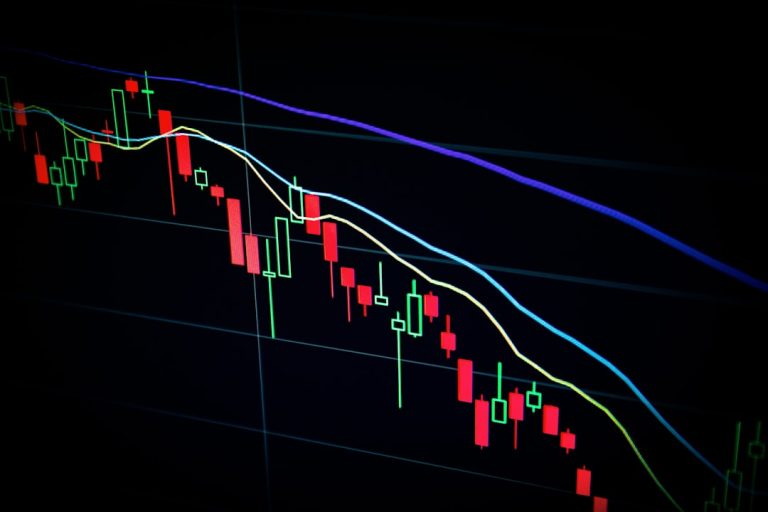
Most traders obsess over entry signals but treat order execution as a formality. In reality, order type selection determines whether your edge survives contact with the market.
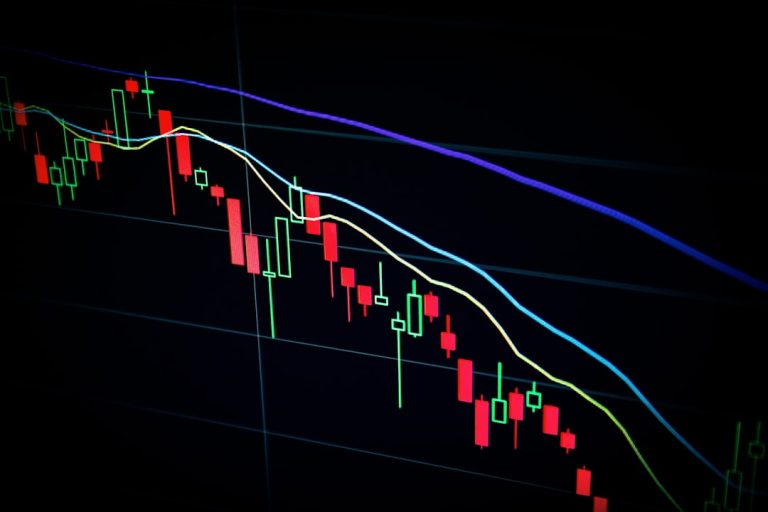
Pips are the fundamental unit of forex movement, turning abstract price changes into calculable risk. Understanding this tiny increment is the foundation of disciplined position sizing and long-term trading survival.
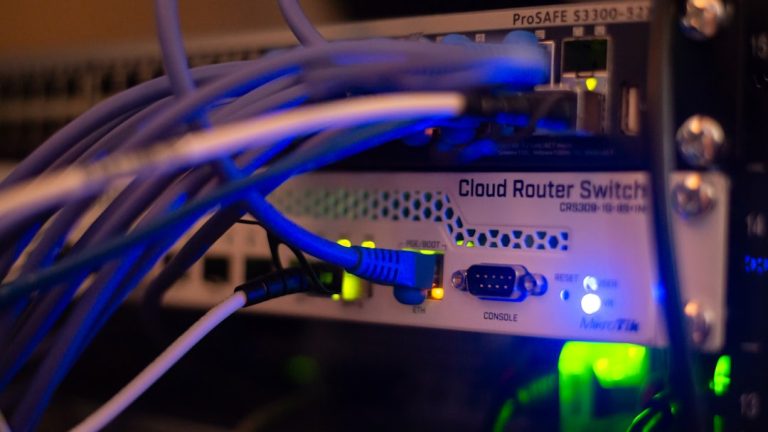
The price you see didn’t fall from the sky. It emerged from a continuous auction among the world’s largest banks in a decentralized network moving $7.5 trillion daily.